





Closing the circle: a clown’s tool you can use in everyday life
While bringing joy is certainly part of what RED NOSES clowns do, there is a deeper layer to the craft—one rooted in neuroscience, trauma awareness and intentional connection.
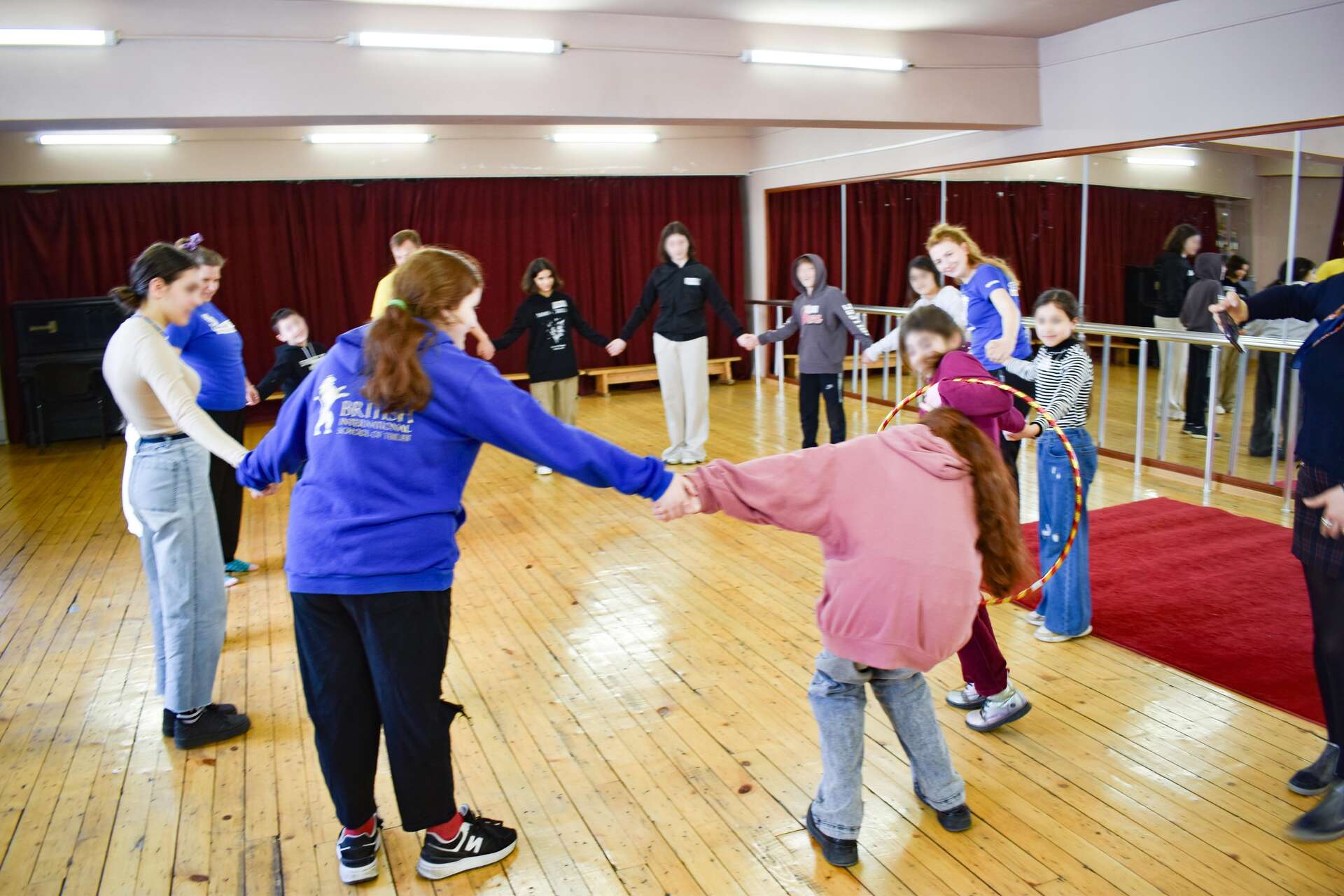
One of the most valuable skills we teach at RED NOSES is called ‘closing the circle’. It’s a technique our clown artists use every day in hospitals, care homes and crisis settings, and it’s something anyone can use to bring more calm, clarity and stability into their life.
Let’s explore what it means—and how you can put it into practice.
What does ‘closing the circle’ mean?
Life naturally happens in circles. Every experience has:
- a beginning,
- a middle, and
- an end.
Our nervous system is designed for this pattern. When we start something, we expect to finish it. When we enter a situation, we look for a way out. This sense of completion helps us feel grounded and safe.
But real life isn’t always so neat.
A sudden loss, an unexpected shock, or even a stressful interruption can leave us in an unfinished emotional loop. Trauma experts describe trauma as a ‘sharp cut’ in the story you were in the middle of drawing. When the circle breaks, your nervous system can get stuck trying to complete what never had an ending.
That’s where ‘closing the circle’ comes in.
How healthcare clowns use this concept
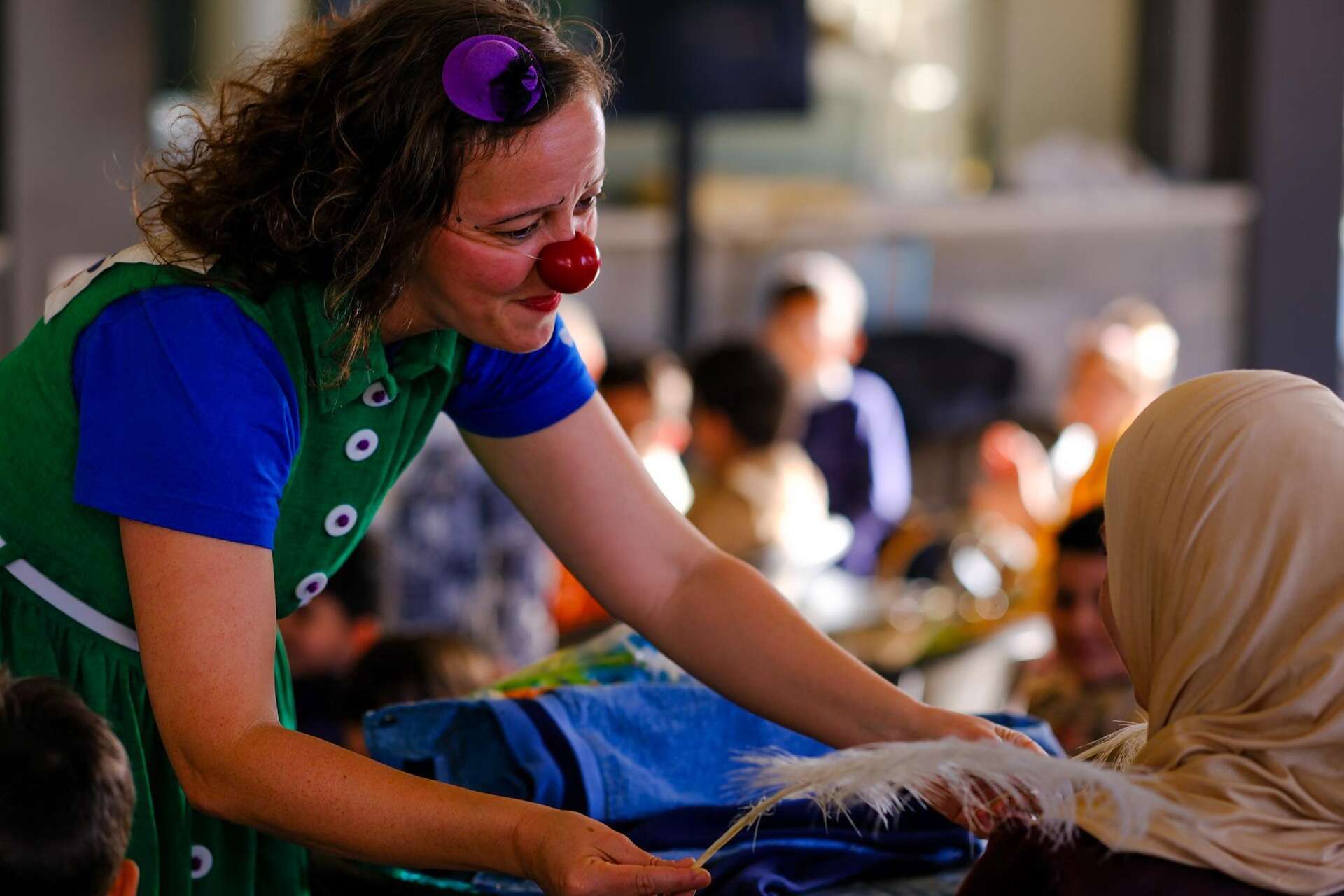
RED NOSES clown artists are trained to give every interaction a clear structure. When they approach a hospital patient, a child or a family:
- They create a beginning
A warm introduction, a gentle invitation into a shared moment. - They build a middle
A small adventure—perhaps a joke, a bit of music, a playful exchange. - They offer a thoughtful ending
A clear, calm goodbye that marks the moment as complete.
This helps the people they meet feel safe and emotionally contained—especially in environments where uncertainty is common.
 Enlarge photo
How you can use closing the circle in your own life
You don’t need a red nose to benefit from this technique. Here are simple, practical ways to apply it:
1. Finish small tasks fully
Instead of jumping between tasks, complete one circle at a time:
- Send the email,
- Wrap up the chore,
- Complete the paragraph.
Your mind relaxes when it knows something is truly finished.
2. Mark the end of your workday
Create a ritual that signals: the circle is now closed.
This could be:
- Tidying your desk,
- Writing a short summary of what you achieved,
- Saying out loud, ‘I’m done for today.’
These small actions help your nervous system shift out of work mode.
3. Give conversations clear endings
Whether it’s with a colleague, friend or child, finish interactions intentionally:
- ‘Thank you for sharing that.’
- ‘Let’s pick this up tomorrow.’
- ‘It was lovely talking with you.’
Tiny closures prevent emotional loose ends.
4. Close bigger life circles with reflection
For bigger chapters—moving home, ending studies, finishing a project—take time to reflect:
- What started this journey?
- What happened along the way?
- What does the ending mean for you?
Reflection helps the nervous system integrate the experience instead of carrying it as unfinished business.
5. Notice when circles break
It’s part of life for things to end unexpectedly.
When they do, try to give yourself a symbolic ending:
- Write a letter you could not send,
- Speak to someone you trust,
- Take a walk and imagine gently closing that circle.
Even symbolic closures help the brain process the experience.
We would like to inform you that after activation of the video data is transmitted to the provider. More information can be found in our Data protection
ACTIVATE VIDEOWhy this matters
Closing the Circle brings more than emotional comfort—it brings regulation, clarity, and a sense of control. It helps us feel safe in a world where not everything is predictable.
It is one of the core reasons healthcare clowning is so effective: our artists create small pockets of order and completeness in environments often filled with uncertainty.
And now, you can use that very same tool.
Every story deserves a closing
Whether you’re caring for others, navigating stress, or simply trying to stay balanced in a busy world, practising ‘closing the circle’ can be a gentle, grounding habit.
It’s a principle born from clowning, rooted in trauma awareness, and surprisingly powerful in everyday life.
So today, choose one small circle in your life—and close it.
Your nervous system will thank you.
 Enlarge photo