




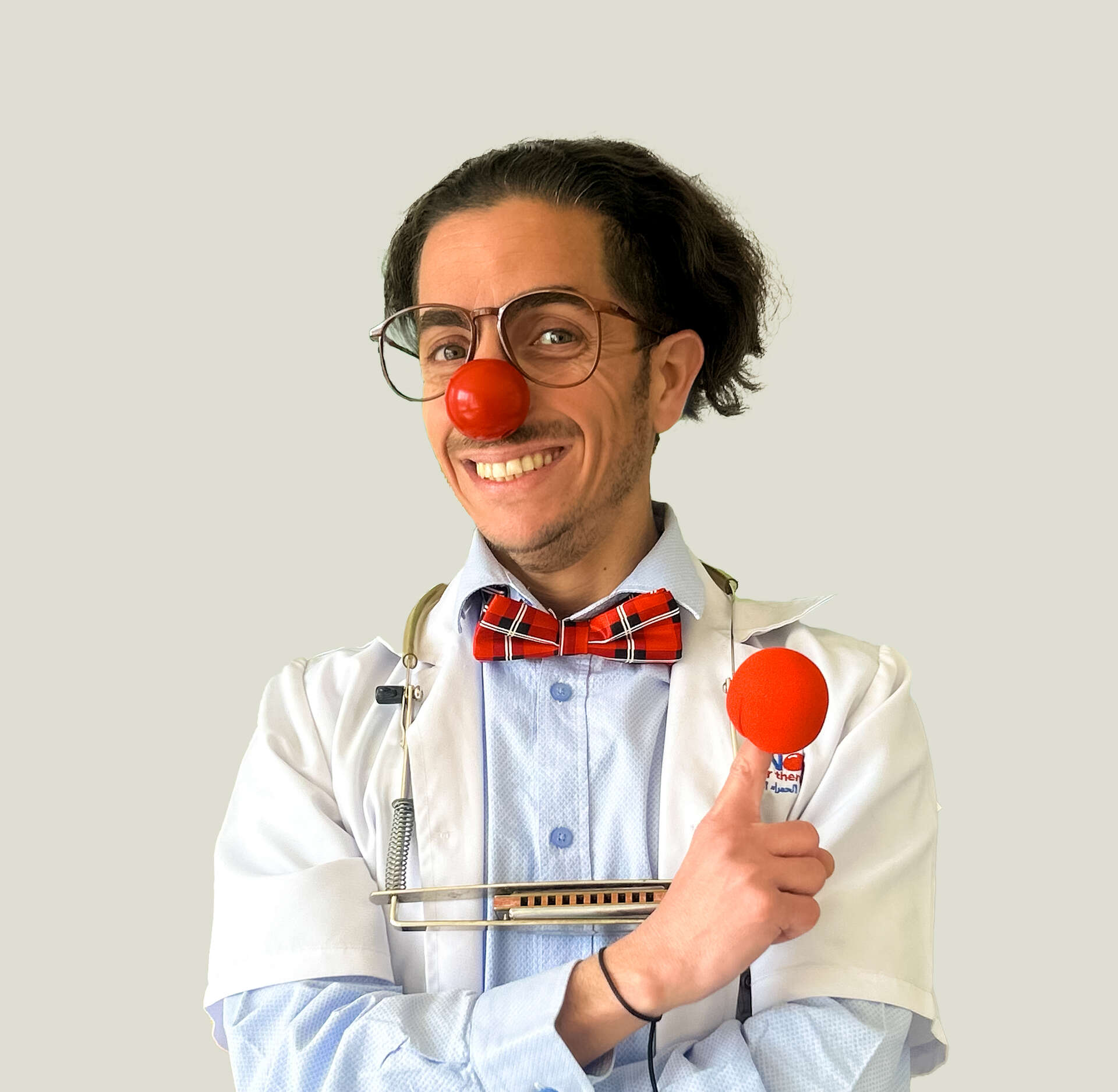
#MeetTheArtist: Ezzat Natsheh
For Ezzat Natsheh, the red nose is not a costume; it is a doorway to standing beside people in their most vulnerable moments and reminding them they are not alone.
For more than two decades, Ezzat has brought both heart and skill to his work with RED NOSES and the Emergency Smile International team. Trained in Social Work and Psychology and shaped by years of humanitarian volunteering, his clowning is not about performing for applause; it is about creating a brief spark of light in places where hope can feel very far away.
 Enlarge photo
How do you usually prepare before clowning, both mentally and practically?
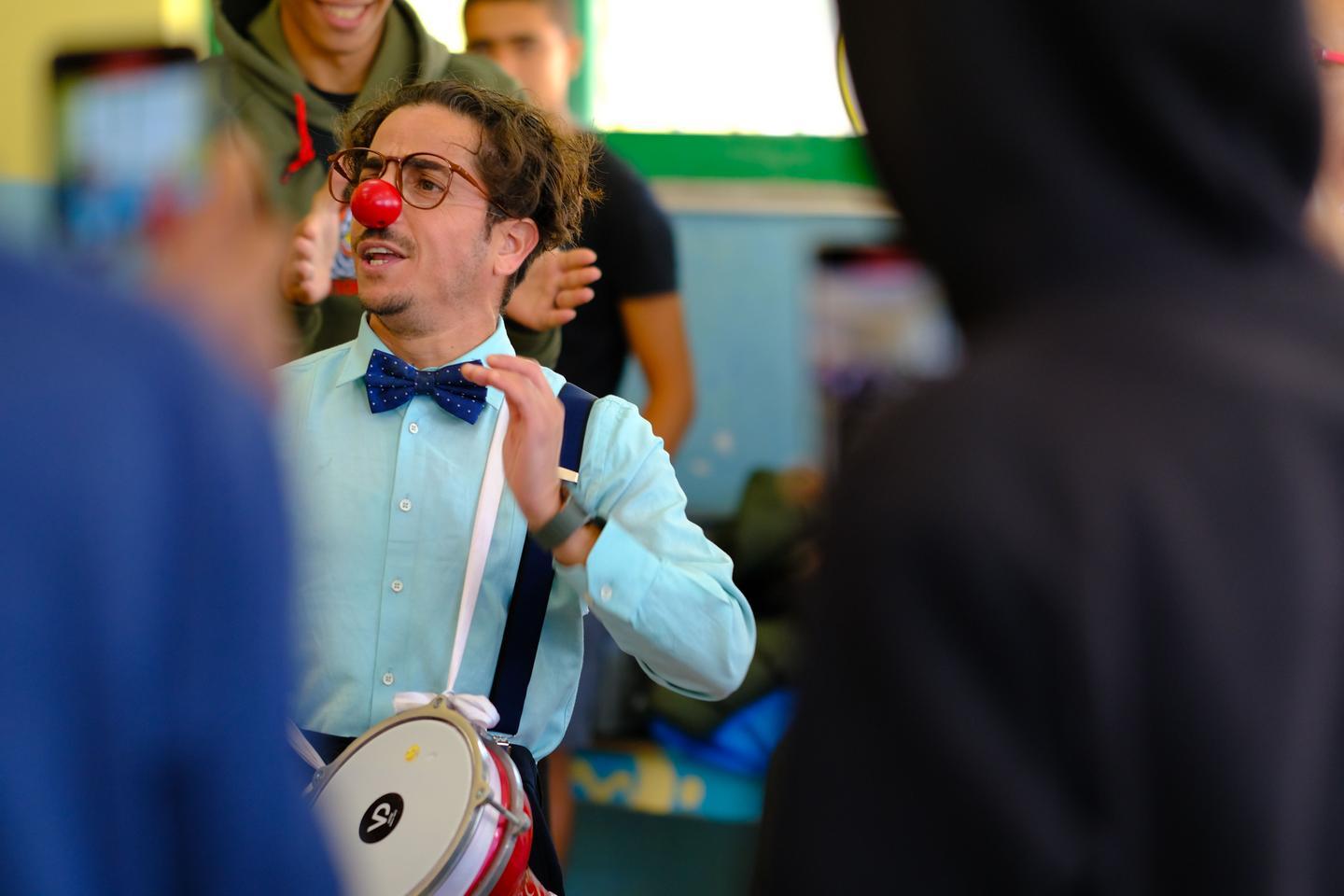
Before every hospital visit, I always talk with my partner about everyday life and what we've been through. It's a way of releasing tension so we don't carry it into the visit. Then we talk about working at the hospital as clown artists, any updates, and what we generally want to do. But personally, with years of experience, I can truly disconnect from my personal life the moment I put on the red nose. I might even forget about my personal life completely once I put it on and during the visit.
Because, in my opinion, we must protect ourselves psychologically from what we see inside the hospital or during the Emergency Smile missions.
Being able to separate things when you put on the red nose is a great solution.
What kind of difference do you hope to make in the world through your clowning?
The most beautiful thing I've learned from being a clown is breaking the stereotype that clowns are only for children. Through this, I hope to make everyone I encounter happy. I know we can't change the world and the tragedies it experiences. But I believe that a clown can transform moments of despair for people, and a clown can light a candle of hope, a small light in this dark tunnel. Through clowning, we can show the world that despite all the injustice, there is space for joy, space for hope, and space, however small, to think about a better future. A clown is magic; he comes to spread his magic and then moves on.
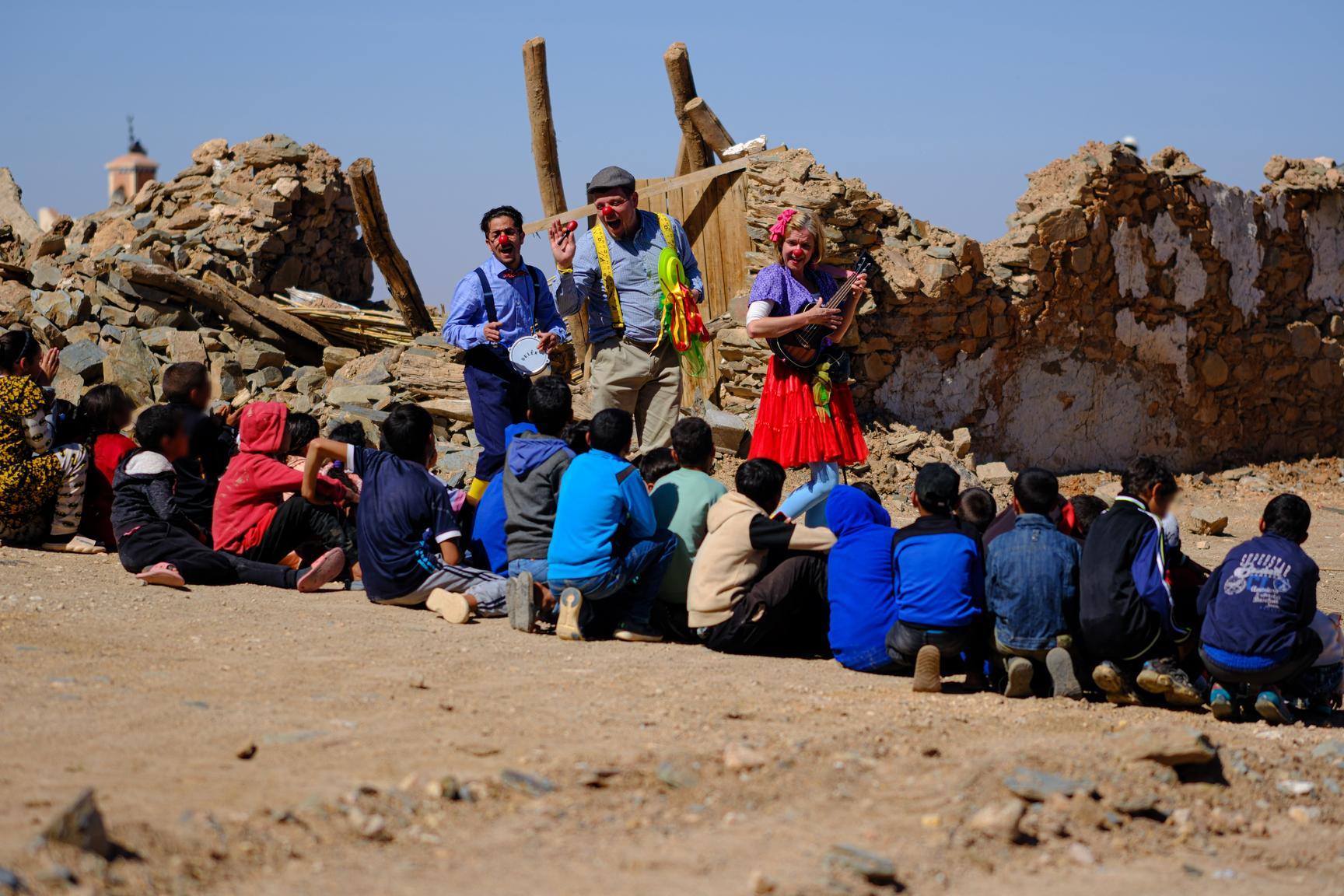
Happiness isn't exclusive to anyone. I believe it's a cycle. If you, as a clown, can change the mood of adults, they will then be able to help children. In hospitals, working with adults is important because children are influenced by their parents and their feelings. Similarly, in our work with refugees, if you give hope to adults, they will give it to children.
What message or feeling would you like to share with the people you meet?
I would like to convey a clear message: that humanity can support one another. I am a father of young children, and I know first-hand what it feels like to have a child in the hospital. In those difficult moments, I am waiting for any support or hope to rescue me from my thoughts and fears.
My message to them is that you are not alone. We could all be in your shoes. But by supporting each other, things become easier.
When I'm on a mission with Emergency Smile, I make a point of identifying myself as Palestinian. It's a clear message to everyone that although I suffer from the war like any other Palestinian, I can stand with you and support you. It's a message of hope: that you can have a positive impact on this life. I'm just like you; I'm no different. I could be in your place. I can support you, and you can support each other.
How do you stay motivated or positive during difficult situations?
By constantly reminding myself why I'm here. By being certain of the positive outcome of my presence. By believing in the energy I send to others. By believing in my humanitarian mission. By being confident in my artistic abilities. By knowing that we can transform difficult moments into moments of joy and happiness. I believe that dark humour can transform things we perceive as bad into things that make us laugh, allowing us to find relief.
How does your clown character appear in your everyday life?
I'm usually a cheerful person. I feel my mission in life is to give people positive energy. I hate seeing people sad. I always try to help them. But ultimately, I'm human and I live in a country with no security. I have children whom I try to protect. I'm a father, and to raise your children, you have to be strict at times. In general, my everyday personality is different from my ‘Simsim’ clown character, even in my most playful moments. They might overlap at times, but they remain distinct. That's why I always carry a red nose so I can be a clown at any moment.
Why is clowning in crisis situations important?
Humour during times of crisis is very important because people experiencing crises often feel hopeless, believing it's the end of life and being unable to think positively. This is a natural psychological response. The trauma resulting from crises freezes thinking and leads to denial of reality. Humour then plays a role in resetting the mind and bringing it back to reality so it can overcome the crisis.
Can you tell us about a moment that really touched you?
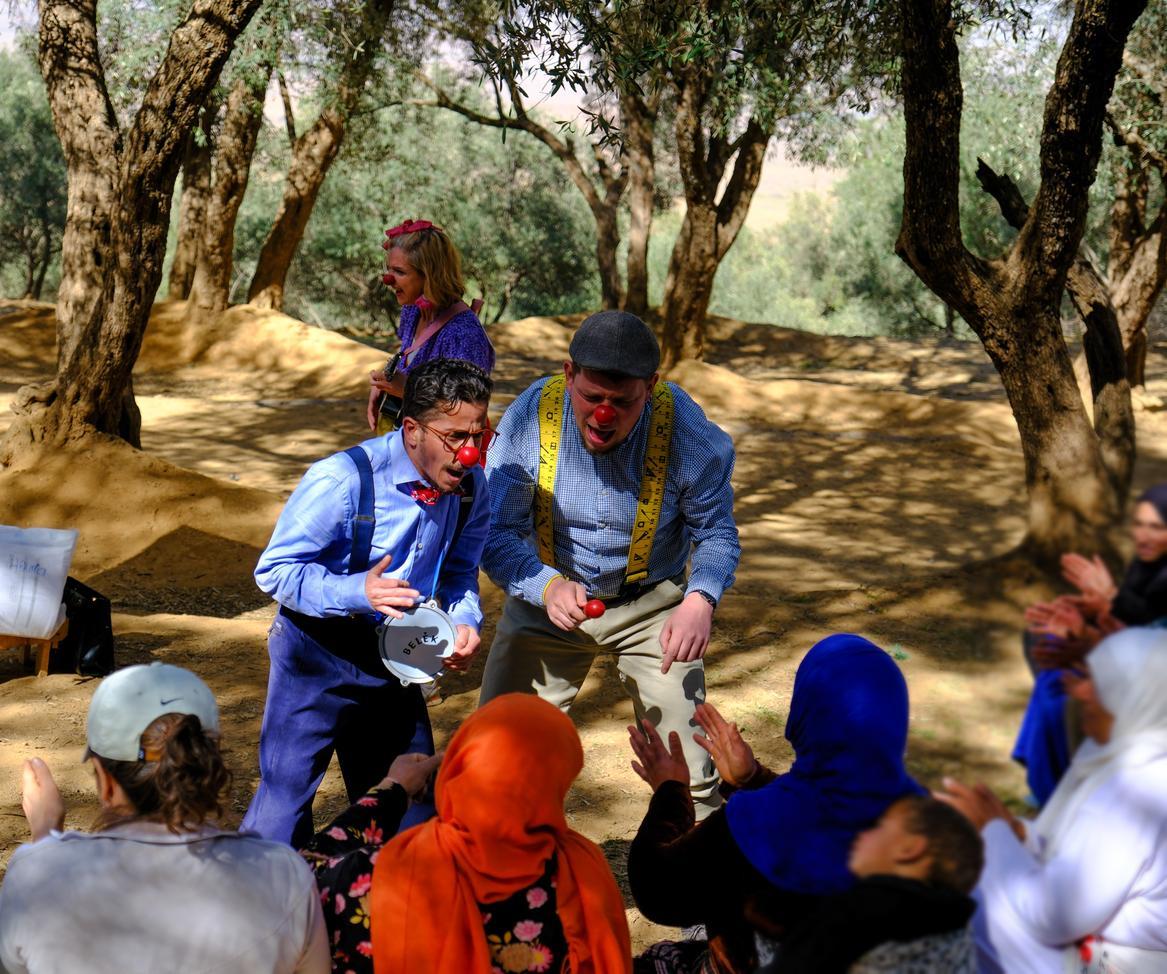
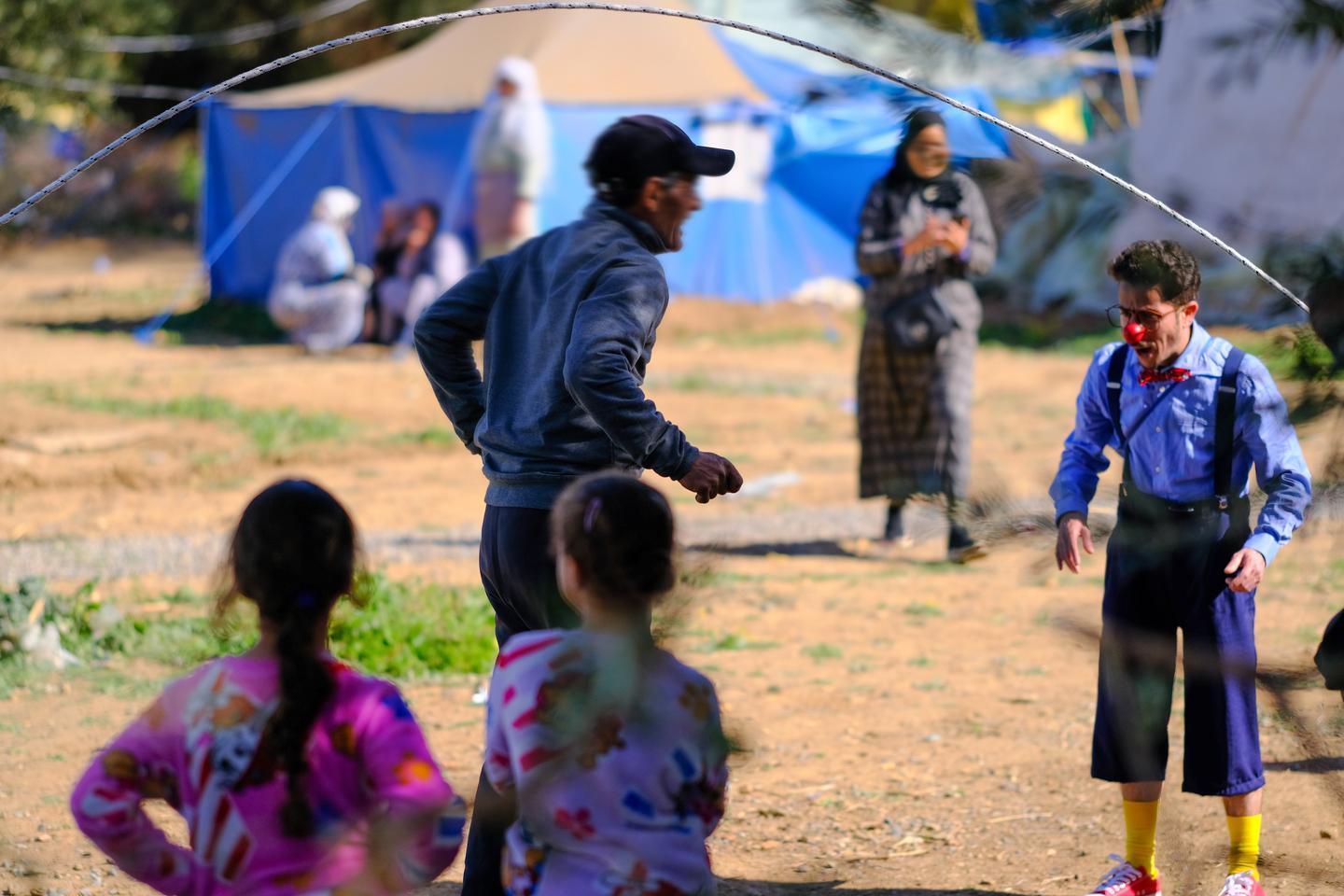
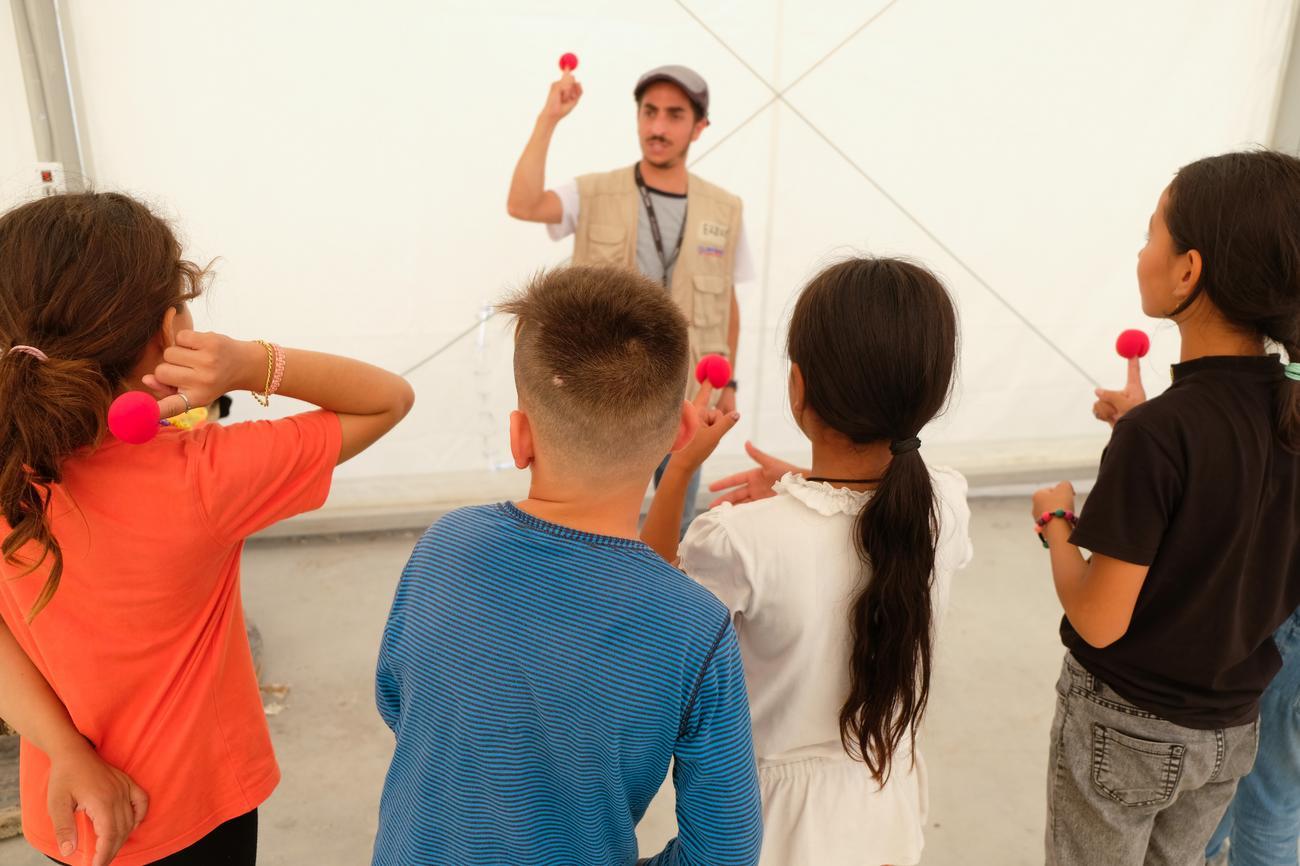
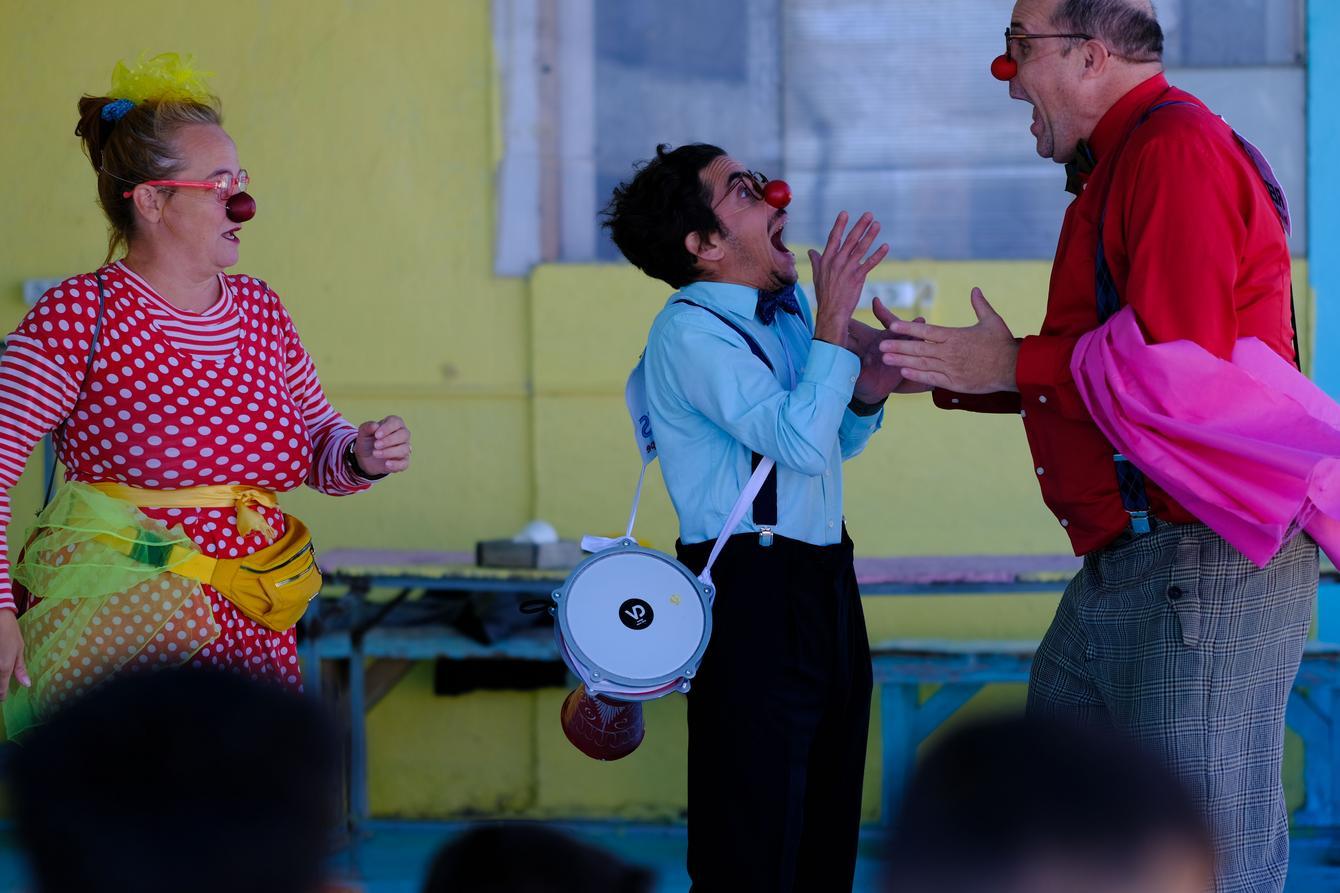
I remember a situation very well that I will never forget. We were on the island of Samos in Greece. The displacement camp was very dirty. The tents were handmade by the refugees — some wood, some plastic sheets — completely uninhabitable. The theme of the show was about how we can activate our imagination and build our dreams, to make our home and fly like butterflies.
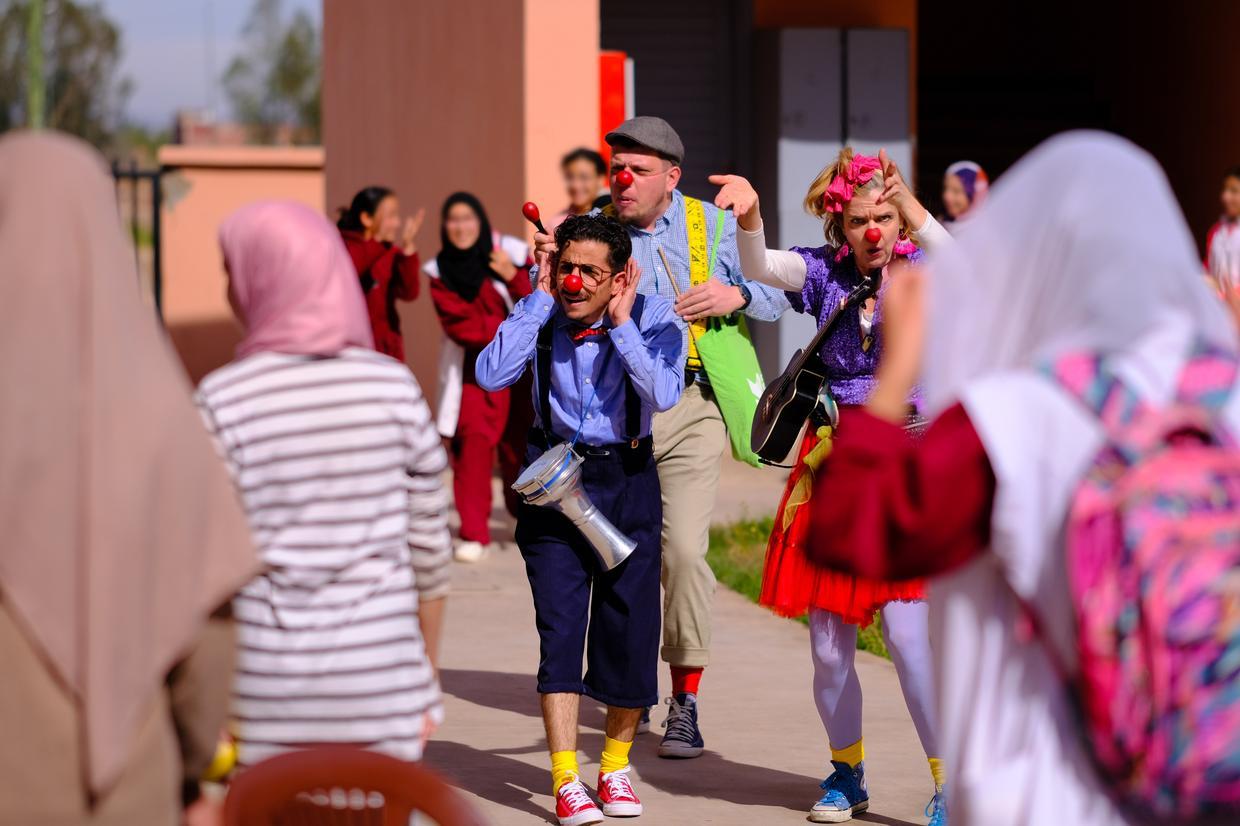
When we started the musical parade between the tents, children and adults began to come out of their tents, surprised. What are these sounds inside this place?!
It was a Muslim holiday at the time. The children and their families gathered. During the show, I, as a clown, built a house out of cardboard as part of the imaginative act. One of the children stood up and said to me, “This is my house.”
His eyes dreamt of a home he lost in the war... He didn't just lose his home; he lost security, safety, stability, and his right to live in dignity.
I included him in the clown game in the show.
And to this day, I remember that child with great pain.
What first inspired you to become a clown?
About 23 years ago, I started clowning. And that's when I began to feel, and even become certain, that clowning has a powerful effect on the audience, whether they are children or adults.
My access to hospitals wasn't as frequent as I'd hoped. But when I started as a clown with RED NOSES in Palestine 16 years ago, I became even more certain that this was my place. Bringing joy to people in their time of fragility is what inspired me to become and continue clowning.
What inspired me most to become a healthcare clown was Patch Adams.
What do you enjoy most about being part of Emergency Smile?
My primary pleasure is being able to reach the areas and people who need joy the most. Reaching as many children and adults as possible, supporting them and standing by their side, turning their moments into happiness.
Getting to know and working with the most wonderful humanitarian team I've ever seen, learning from their skills, spending wonderful moments with them, sharing joy and sorrow, listening to each other, comforting each other, and enjoying working together. Each team has a different experience from which I learn a lot.
Also, getting to know new countries and cultures, whether from the country itself or from the affected people themselves.