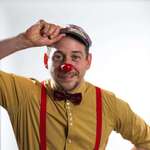
#MeetTheArtist Marko Kalc
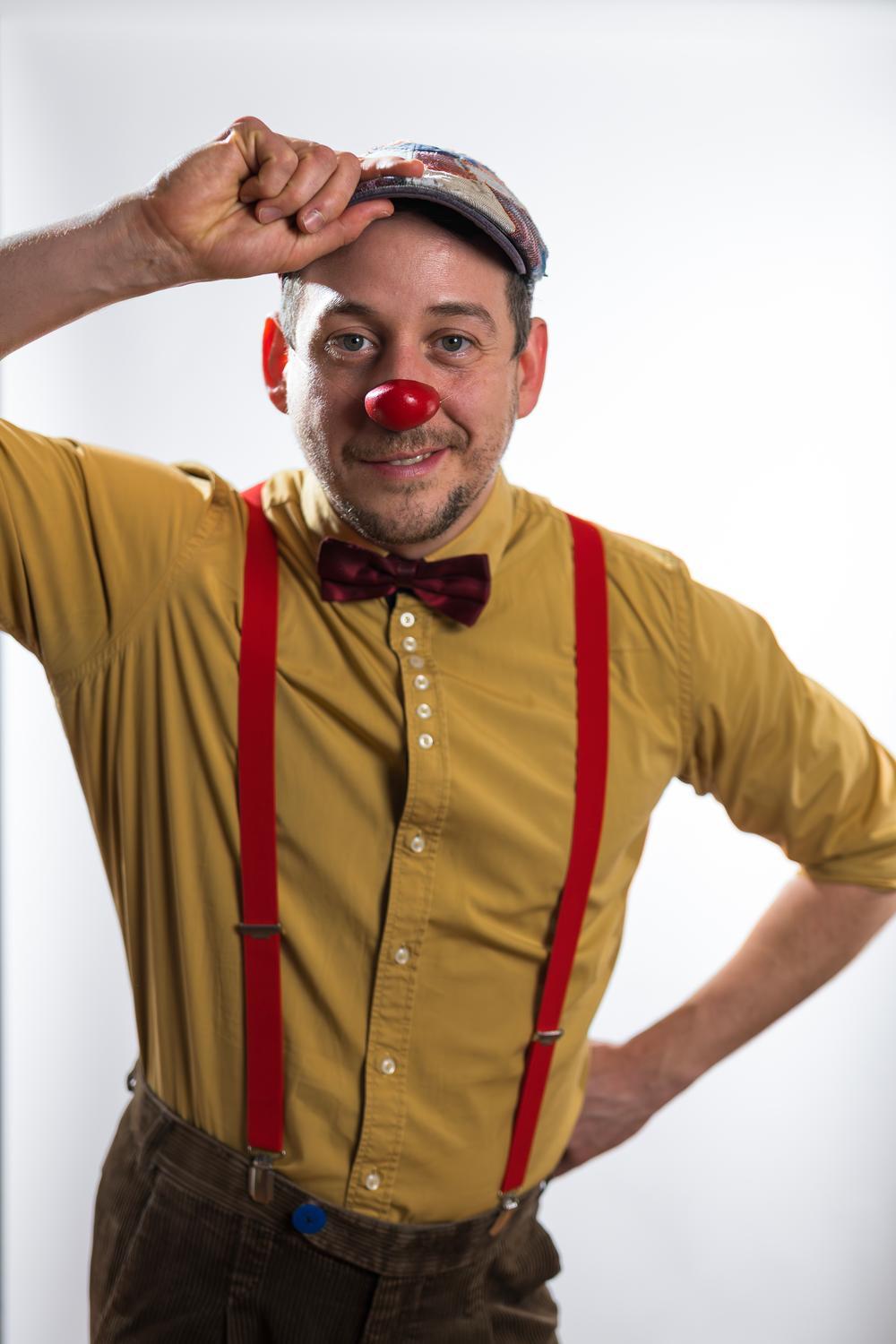
Meet Leopold, the slapstick ukulele-playing clown who trips on purpose, even when no one is watching. For Marko Kalc, clowning isn't about making people forget where they are. It's about leaving them with something to hold onto: a moment of lightness they can look back on, years later, and think: maybe it wasn't that bad.
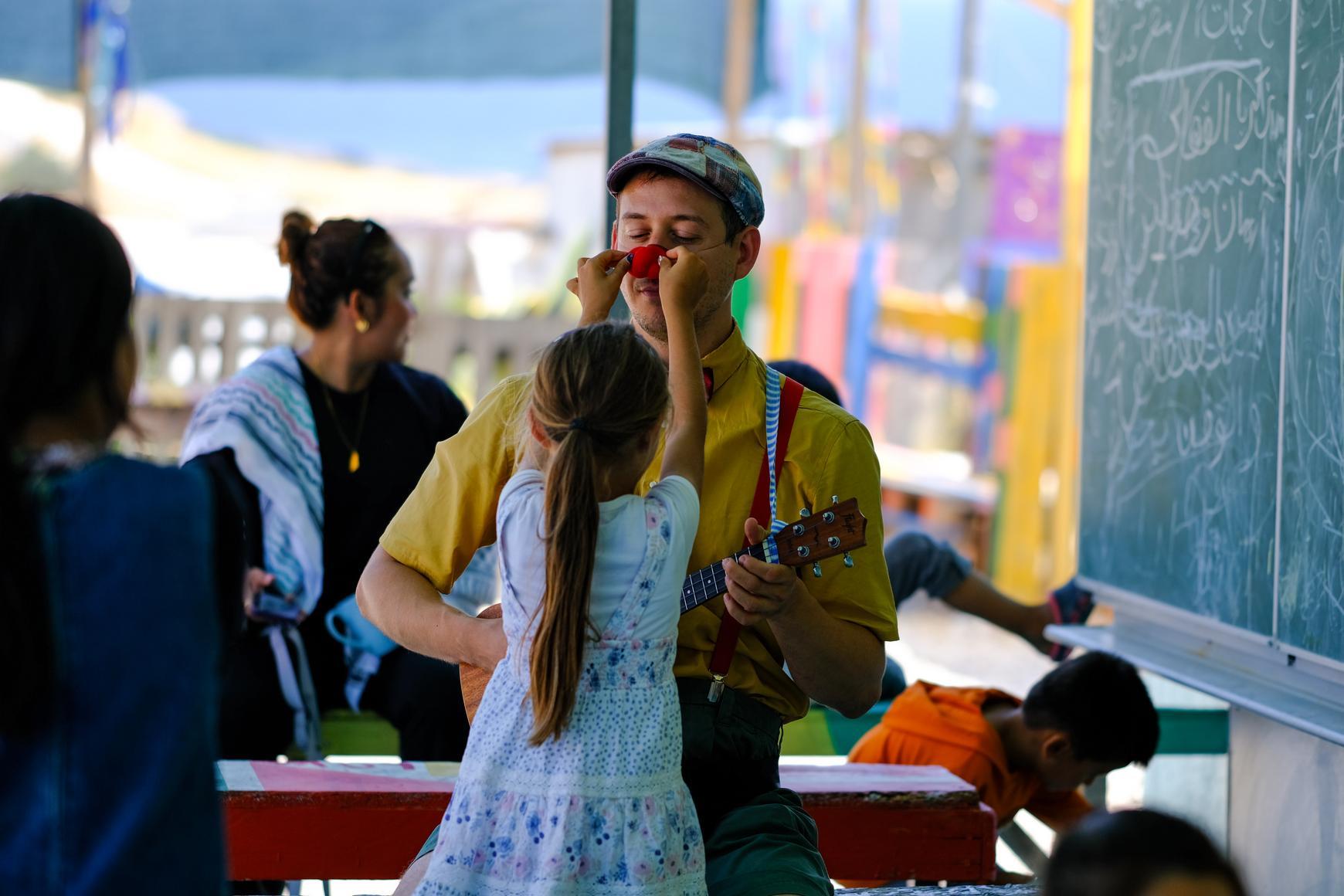
On his very first mission in Lesvos, working alongside MSF during a children's vaccination campaign, Marko tried bubbles and magic tricks and when nothing seemed to work, followed his instinct. A simple nose tap. A shared laugh. The needle went in unnoticed. The doctor leaned over and told the child: 'You just got vaccinated with laughter.' That sentence has followed Marko ever since. And honestly? It pretty much says everything.
 Enlarge photo
 Enlarge photo
 Enlarge photo
Who is your clown character?
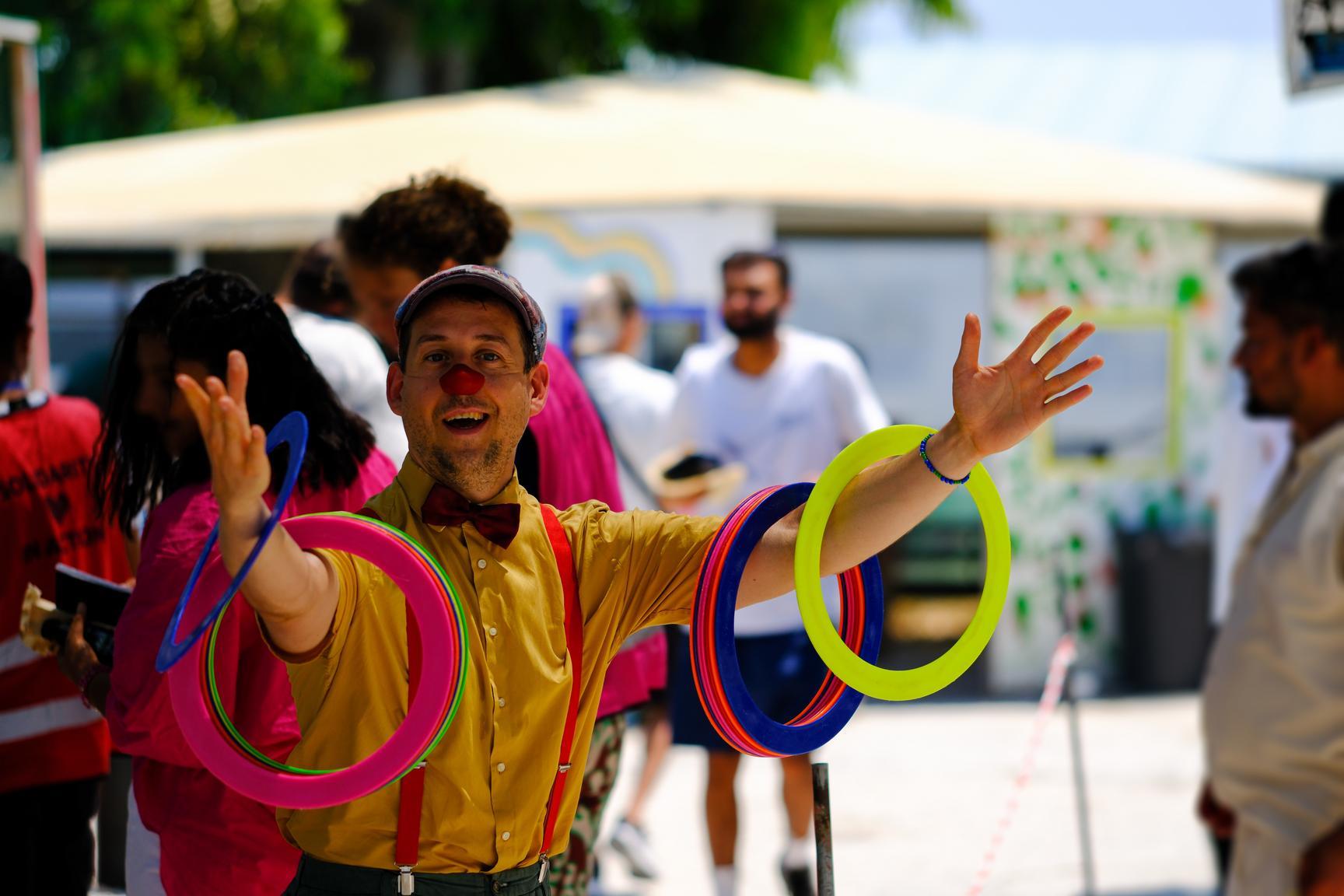
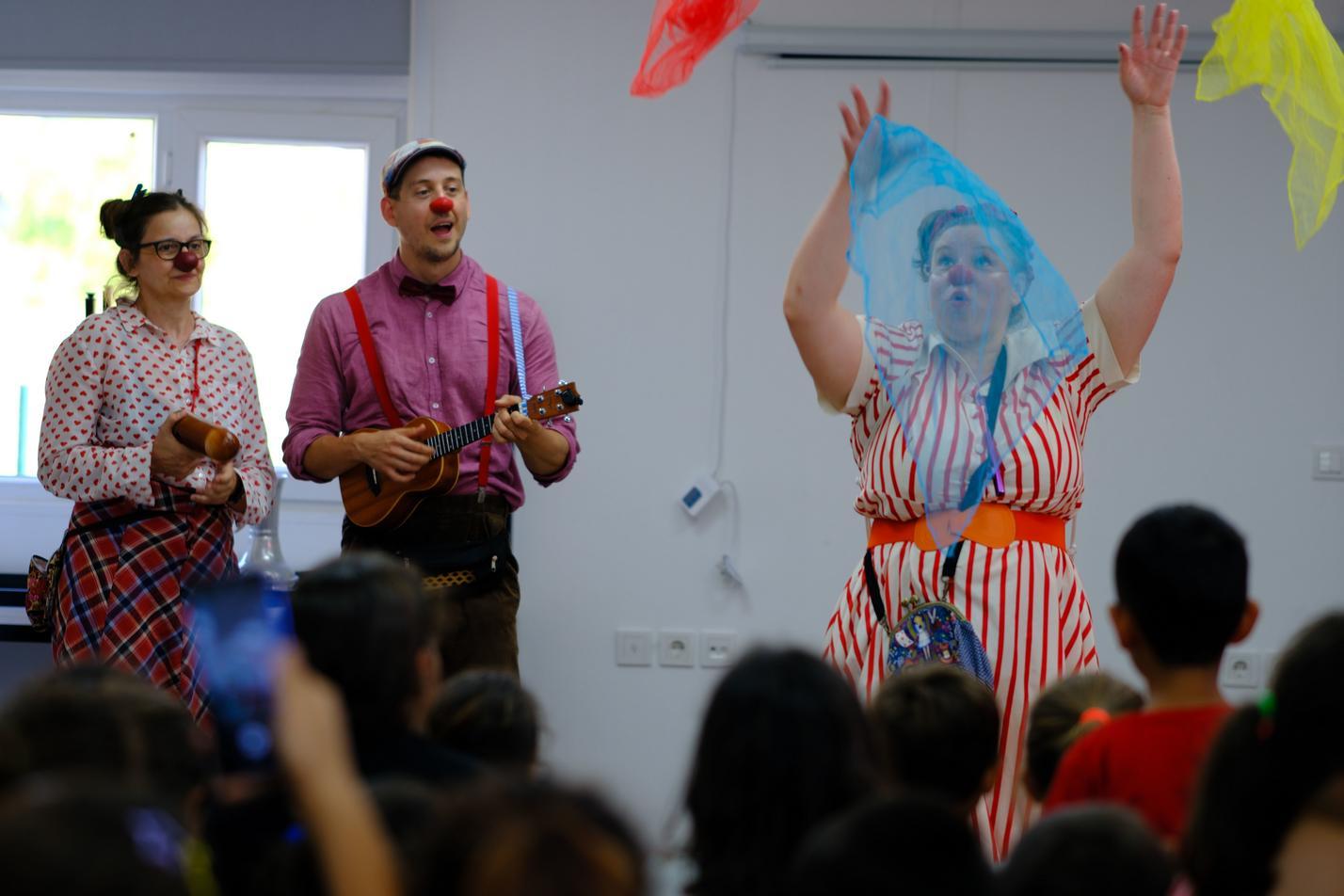
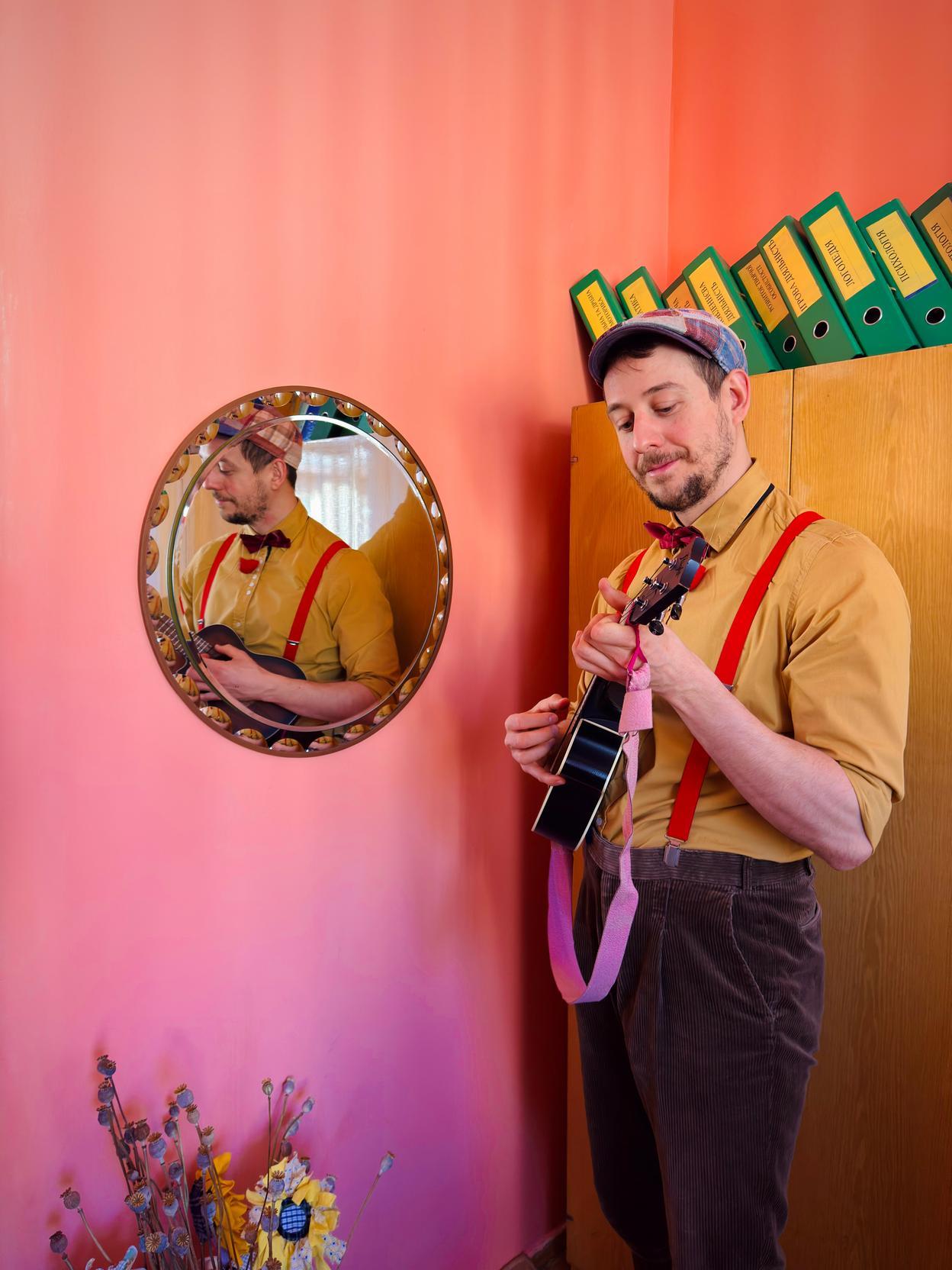
My clown character's name is Leopold. The name just came by itself. I honestly don't remember how anymore. He's not based on any particular Leopold I know. His whole thing is doing things unintentionally. Slapstick. He can be a leader, but in that wonderfully accidental way. And his superpower? Definitely musicality. I play the ukulele on missions—it is the easiest instrument to carry around.
How do you prepare before a show or parade?
I usually need some alone time, about half an hour, to create a song, or a few songs, for the day. That's essential for me. But beyond the music, there's also this one small ritual I need, just before we go in. I put on my costume, and then I take a minute. Really just a minute, sometimes half—where I'm fully in character. I look around. I look at my shoes. I take in the whole environment. That's what brings me into the state of clowning. My character reacts to things, so I need to see the world through Leopold's eyes first.
 Enlarge photo
How does the songwriting work with your team?
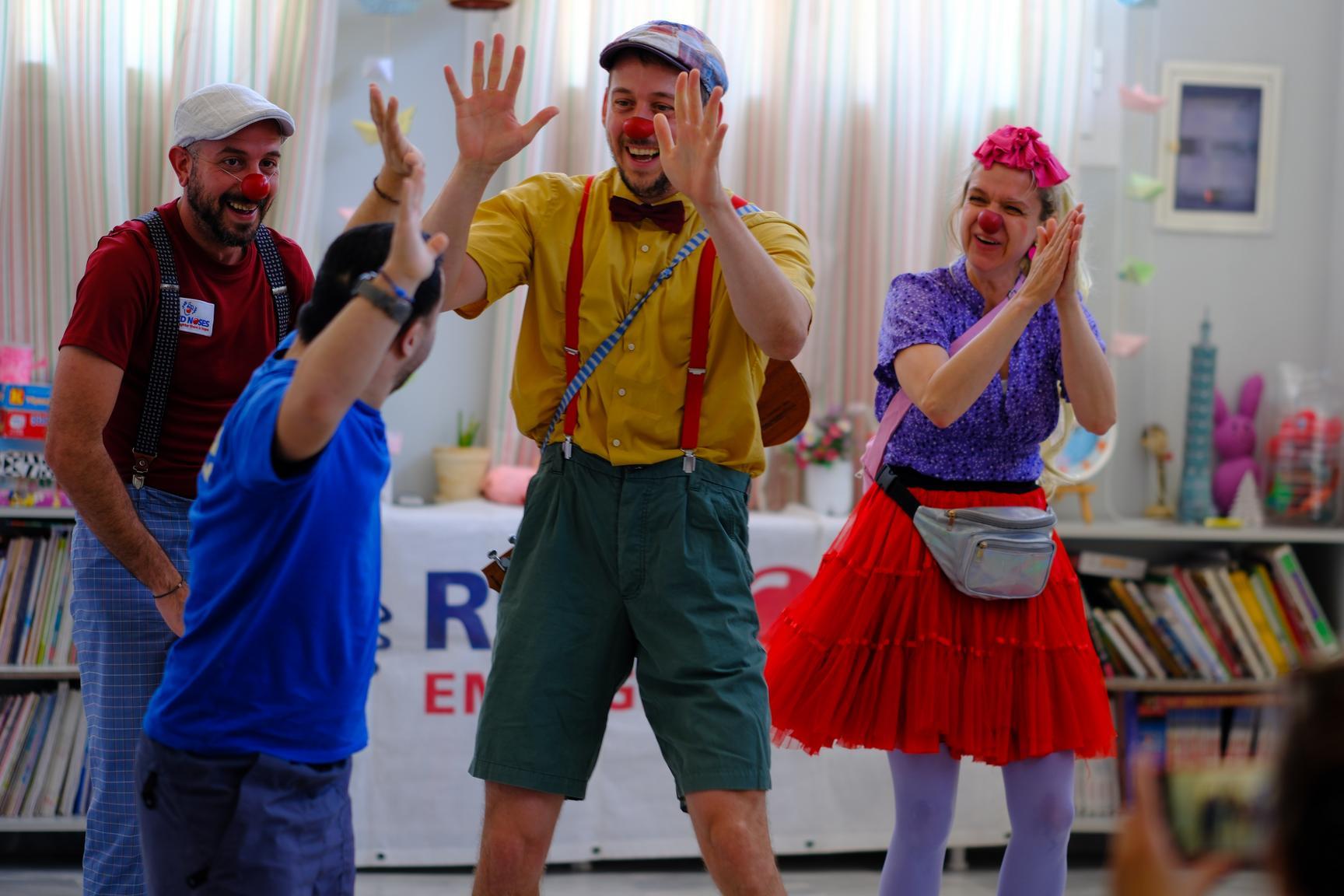
I usually create something on my own and then ask the team if it works for them. We adjust together from there. On recent missions, I'd sit down, come up with some melodies, present them, and then we'd refine it as a group. It's a collaboration, but it often starts from me playing around with something and seeing what sticks.
What impact do you hope to have?
What I've realised matters most to me is this: I want the people I encounter—adults and children—to be able to look back, years from now, on a moment that was hard, and also remember a moment of playfulness they had with me. I can't save anyone. I can't change their situation. But I can add something—a small, positive memory—to everything they carry with them. So that one day they might think, Oh, it wasn't maybe that bad. There was this clown I laughed with.
The message I want to share is simple: it's okay to be playful. Even with strangers. I think a lot of adults—people my age, thirty-seven—have lost that, because somewhere along the way they decided playfulness was for children. I disagree with that. Deeply.
What keeps you motivated in challenging moments?
Very simple. The fact that someone else, somewhere, is having a harder time than me. That's genuinely it. On missions, if the accommodation is difficult, if the logistics are a mess, if things aren't running smoothly—the moment I remember that the people we're there for are living through something far tougher, everything clicks back into place. And there's something else too: I get to see how Leopold handles those challenging situations. I always learn something from them—and I come out a better artist and a better human being.
 Enlarge photo
Does Leopold show up in your everyday life?
Absolutely—especially in groups, but also with friends who have nothing to do with art or performance. I'll do a slapstick bit and they'll be like, Oh God, not again—but they still laugh. And honestly, even when I'm alone? Sometimes I'll walk up the stairs and trip. On purpose. Or I'll gently walk into a door. It's a technique, obviously. But Leopold has become something I've genuinely embodied. He doesn't just live on stage.
Why does clowning make sense in crisis settings?
When I arrive in a camp or a difficult environment, I often feel like we don't belong there. Like we're aliens. And I think that feeling is actually important—it means the heaviness is real. There's almost a taboo around it: the idea that happiness shouldn't exist in places of suffering. That being a clown is foolish, that it trivialises what's happening. But then I see how people react to us, and I understand something. The fact that our presence feels unexpected—that's exactly why it matters.
What inspired you to become a clown artist?
I wasn't looking for it. I was twenty-four, doing contemporary dance, Hula Hoop dance and physical comedy, and I got a text: 'There's an audition for a clowning organisation—I think you should go.' I thought, sure, why not—I wanted to learn more about humour and comedy. But when I started researching what RED NOSES actually does, I was genuinely moved. I liked the fact that it was a well-structured, humanitarian organisation where I could develop as an artist and use my skills to contribute to a good cause. I felt it was a new path for me and it felt exciting! Really exciting!
 Enlarge photo
 Enlarge photo
Can you share a moment that stayed with you?
There's one story I always come back to. It was my very first mission, on Lesvos—a vaccination campaign with MSF. Over four days, around 1,500 children were vaccinated. I was in the middle tent, welcoming each child, leading them to the chair.
At one point, a girl came in—around ten years old, from Afghanistan. She was trembling with fear. I took her hand, led her to the chair and made a show of cleaning it with my napkin. Then, just as she was about to sit down, I quickly placed my hand back on the seat—one last dust-off—and she sat right on it. I reacted playfully: 'Ouch!' She smiled, just a little.
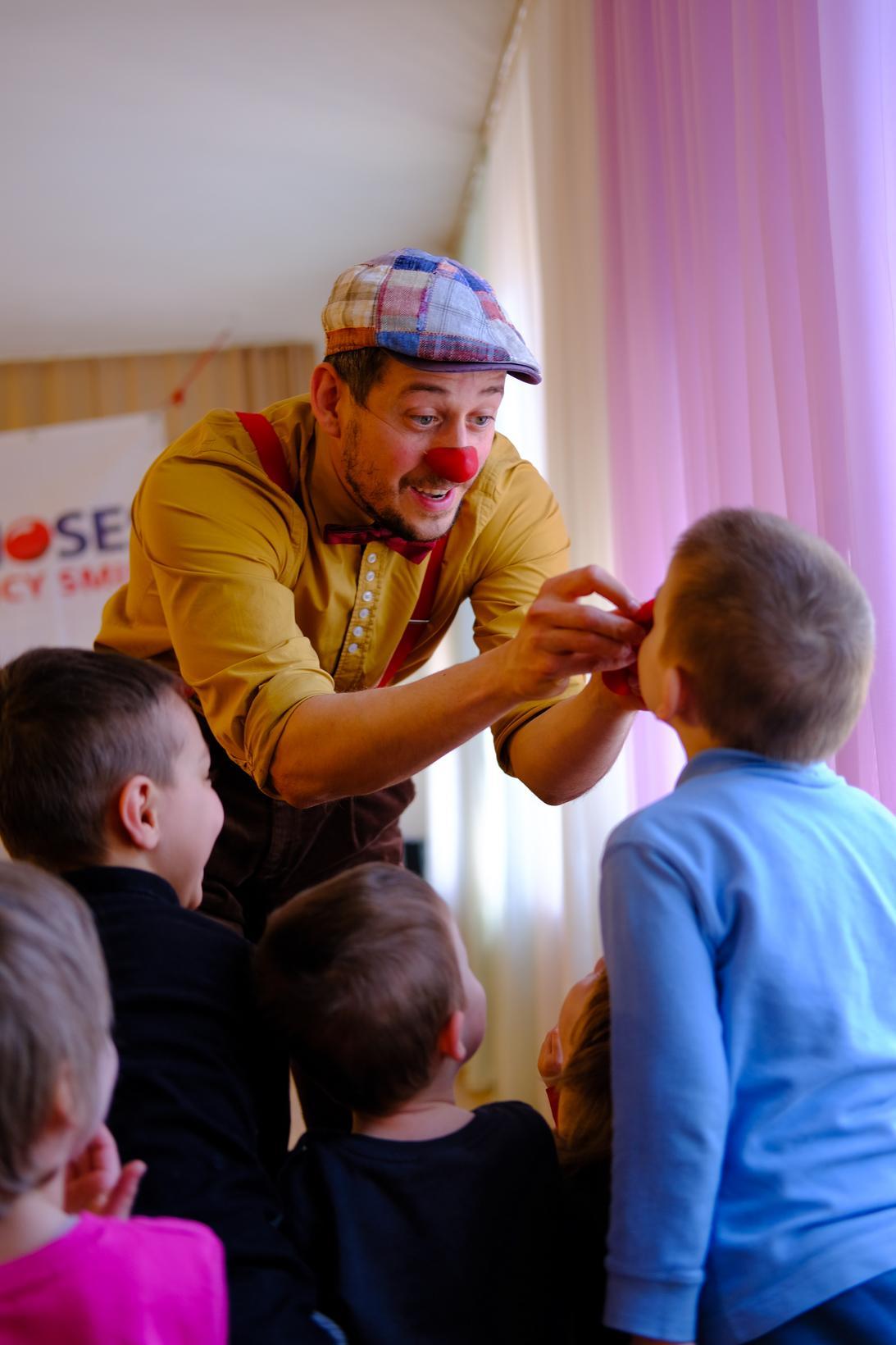
But then the nurse and doctor approached, and she tensed up completely. She started to cry. I tried everything—blowing bubbles, a quick magic trick—anything to pull her attention away from the syringe. Nothing worked. So I just followed my instinct. I moved in close to her face and did something simple: I touched her nose with my finger, then my own nose. Her nose. My nose. I don't know exactly why, but something shifted. She laughed. Her shoulders dropped. She relaxed. And in that moment, they vaccinated her—and she didn't even feel it. When it was over and they told her it was done, she looked genuinely surprised.
The doctor turned to her and said: 'You just got vaccinated with laughter.'
That's the one I carry with me.